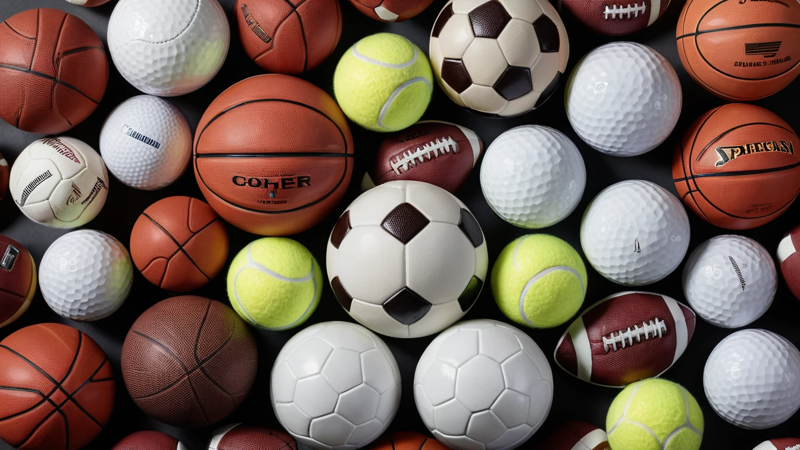
Sports Balls Explained: Ultimate Guide With Winning Insights
Sports balls power every major game, from football to tennis. Learn types, sizes, materials, uses, and how to choose the right ball for peak performance.
Sports balls are essential equipment used across indoor and outdoor games, designed with specific sizes, materials, and weights for performance and safety. From footballs and basketballs to tennis and cricket balls, each type supports unique gameplay, skill development, and competitive standards.
Have you ever wondered why every sport depends so heavily on a simple ball? 🏀⚽
The truth is, sports balls shape how a game feels, flows, and finishes. They control speed, bounce, grip, and even player safety. Understanding sports balls helps you play better, choose smarter, and enjoy the game more.
At its core, sports balls are specially designed spherical or oval objects used to play different games. Each ball matches the rules, surface, and physical demands of its sport. Let’s break it all down in a clear, simple way.
Sports Balls: Types, Uses, And Buying Guide 🏆
What Are Sports Balls And Why They Matter ⚾
Sports balls are the central tool in ball-based games. Without them, sports like soccer, basketball, or baseball simply cannot exist. Each ball is engineered for control, durability, and consistent movement.
The size and weight affect how players throw, kick, or hit. The surface texture impacts grip and spin. Even air pressure changes performance. That’s why using the right ball matters so much.
A good sports ball also improves safety. Proper design reduces injury risk and strain. This is especially important for kids and beginners.
Primary Search Intent Behind Sports Balls 🔍
Most people searching for “sports balls” want clear information and comparisons. They may be buyers, parents, coaches, or students. Some want to know types. Others want to learn how to choose the right one.
The intent is informational with light commercial interest. Users want guidance before buying or learning. That’s why this guide focuses on clarity, examples, and practical tips.
In short, people want answers like:
- What kinds of sports balls exist?
- How are they different?
- Which one should I choose?
Categories Of Sports Balls By Game Type 🎯
Sports balls fall into clear categories based on how they’re used. Grouping them makes things easier to understand.
Common categories include:
- Kicked balls like soccer balls
- Thrown balls like baseballs
- Struck balls like tennis balls
- Bounced balls like basketballs
Each category has unique design rules. These rules ensure fair play and consistent performance. Choosing outside the category can ruin the game experience.
Outdoor Sports Balls And Their Uses 🌤️
Outdoor sports balls are built for rough surfaces and weather exposure. They are tougher and more durable. Many use water-resistant materials.
Examples include footballs, soccer balls, and cricket balls. These balls handle grass, dirt, and turf. They also maintain shape under pressure.
Outdoor balls often feel firmer. This helps with long passes and powerful hits. Durability is the top priority here.
Indoor Sports Balls And Controlled Play 🏟️
Indoor sports balls focus on grip, control, and bounce consistency. They are softer and more responsive. Indoor courts allow precise movements.
Basketballs, volleyballs, and handballs fall into this group. These balls use textured surfaces for better handling. They also bounce predictably.
Because indoor environments are controlled, these balls don’t need heavy weather protection. Comfort and accuracy matter more.
Popular Sports Balls And Their Features ⭐
| Sport | Ball Shape | Key Feature | Common Material |
| Soccer | Round | Low bounce | Synthetic leather |
| Basketball | Round | High grip | Rubber or composite |
| Football | Oval | Spiral throw | Pebbled leather |
| Tennis | Round | Felt coating | Rubber core |
These balls dominate global sports culture. Each one feels different in your hands. That difference is intentional and rule-based.
Knowing these features helps you match the ball to the sport, not the brand hype.
Materials Used In Sports Balls 🧵
Sports balls are made from carefully chosen materials. Each material affects feel and durability. Modern balls use both natural and synthetic elements.
Common materials include:
- Rubber for bounce
- Leather for grip
- Synthetic composites for durability
- Felt or fabric for aerodynamics
Material choice impacts price and performance. Beginners often do better with softer materials. Professionals prefer precision materials.
Sports Ball Sizes And Weight Standards ⚖️
Every sport sets strict size and weight rules. These standards ensure fair competition. Using the wrong size can hurt skill development.
For example, youth basketballs are smaller and lighter. Adult balls are heavier and harder. Tennis balls also vary by pressure type.
Always check the size chart before buying. This matters most for kids and training players.
How Sports Balls Affect Game Performance 🚀
A ball controls speed, bounce, and direction. A poor-quality ball changes how a game feels. Players may struggle with control.
High-quality sports balls offer:
- Consistent bounce
- Predictable movement
- Better grip and touch
This consistency builds confidence. It also improves learning and enjoyment. That’s why serious players invest in good balls.
Training Balls Vs Match Balls 🥇
Not all sports balls are used the same way. Training balls and match balls serve different purposes.
Training balls are:
- Heavier or tougher
- Designed for practice
- Built for durability
Match balls are:
- Lighter and precise
- Used in official games
- Made for peak performance
Using training balls daily saves money. Switching to match balls improves competitive readiness.
Youth Sports Balls And Skill Development 👦
Kids need sports balls designed for their age. Adult balls can cause injury or frustration. Youth balls are safer and easier to control.
Benefits of youth sports balls include:
- Better hand fit
- Reduced strain
- Faster skill growth
When kids enjoy the game, they stick with it. The right ball makes learning fun, not painful.
Choosing The Right Sports Ball 🛒
Buying a sports ball can feel confusing. Focus on function, not branding. Ask yourself how and where it will be used.
Use this simple checklist:
- Identify the sport
- Choose the right size
- Match indoor or outdoor use
- Pick durable material
This approach saves money and improves satisfaction. A smart choice always beats an expensive one.
Sports Balls For Professional And Amateur Play 🏅
Professional sports balls meet strict regulations. Amateur balls offer flexibility and affordability. Both have their place.
Professionals need consistency for fair play. Amateurs need durability and value. The key is matching the ball to your level.
You don’t need pro gear to enjoy a game. You just need the right ball for your purpose.
Maintenance And Care Tips For Sports Balls 🧼
| Care Tip | Why It Matters |
| Proper inflation | Maintains bounce |
| Clean regularly | Improves grip |
| Store indoors | Extends lifespan |
| Avoid overuse | Prevents wear |
Simple care habits extend ball life. They also keep performance steady. A little effort goes a long way.
Environmental Impact Of Sports Balls 🌍
Many sports balls now use eco-friendly materials. Brands are reducing waste and chemical use. This shift helps the planet.
Recycled rubber and sustainable leather are becoming popular. Some balls last longer, reducing replacements. That means less waste.
Choosing eco-conscious balls supports greener sports. It’s a small step with big impact.
Future Trends In Sports Ball Design 🔮
Technology is changing sports balls fast. Smart balls now track speed and spin. Some even connect to apps.
Future designs focus on:
- Enhanced aerodynamics
- Sustainable materials
- Performance tracking
These innovations help players improve faster. The ball is no longer just equipment. It’s becoming a training partner.
Key Takeaways On Sports Balls ✅
Sports balls are more than simple gear. They shape how games are played and enjoyed. Each ball is designed with purpose.
Understanding types, sizes, and materials helps you choose wisely. The right ball improves safety, performance, and fun. Whether you’re a beginner or a pro, knowledge gives you an edge.
FAQs ❓
What Are The Different Types Of Sports Balls?
Sports balls include soccer balls, basketballs, footballs, tennis balls, and more. Each type matches a specific sport. Design and materials vary by use.
How Do I Choose The Right Sports Ball Size?
Check the sport’s age and league standards. Youth and adult sizes differ. The right size improves control and safety.
Are Indoor And Outdoor Sports Balls Different?
Yes, indoor balls focus on grip and bounce. Outdoor balls prioritize durability and weather resistance. Using the right one matters.
What Material Is Best For Sports Balls?
It depends on the sport and skill level. Synthetic materials offer durability. Leather provides better grip and feel.
How Long Do Sports Balls Usually Last?
Lifespan depends on use and care. Regular maintenance extends durability. High-quality balls last much longer.