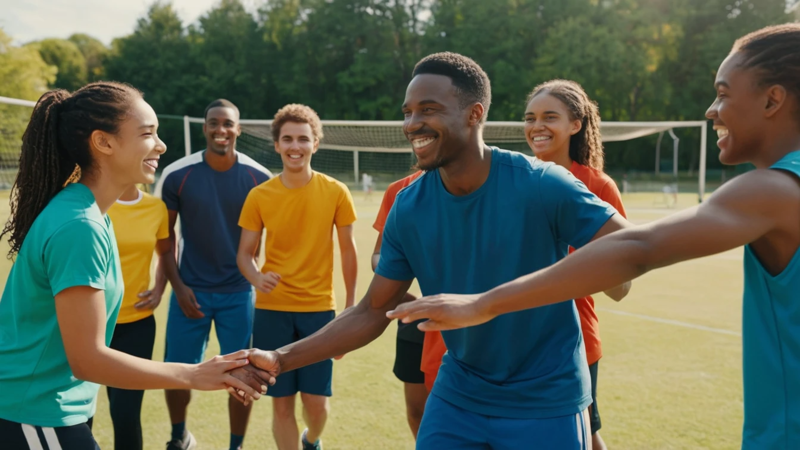
Connections Sports: Unlock Powerful Team & Friend Bonds Easily
Connections sports help you build strong friendships and teamwork through shared game experiences, boosting relationships and fun instantly.
Connections sports are team or group activities that use physical games and shared sporting experiences to build trust, communication, friendships and strong relationships among participants.
Connections Sports: How Shared Play Builds Real Bonds
Ever joined a sports game and walked away thinking, “Wow — I actually know these people now”? That’s the magic of connections sports. You step into a game together, move together, laugh together, and before you know it you’re more than players — you’re teammates, friends, a network.
Connections sports deliver more than exercise. They bridge social divides. They spark meaningful chats. They help leaders become trusted peers. They turn teammates into allies. Let’s dive into how, why, and what you can do.
What Are Connections Sports?
Connections sports are not just about who wins. They focus on how you connect. These involve:
- Team activities that emphasize interaction, communication, and shared effort.
- Games where you rely on others — and they rely on you.
- Settings where relationships form naturally through play.
This is more than “sports for fitness.” It’s sports for bonding, trust, community. Participating in team sports gives isolated individuals instant access to peer networks and a sense of belonging.
Why Connection Matters in Sports
Think back to a time when you felt part of a group. You knew you belonged. You weren’t just playing — you were in it together. In sports, that “in it together” matters big time.
- Shared goals lead to shared trust.
- Communication during a game transfers into life skills.
- Friends made on the field often last off the field.
Strong athlete-coach and athlete-peer relationships boost both performance and mental well-being.
Types of Connections Sports Activities
| Activity Type | Description | Connection Benefit |
| Team sports (soccer, basketball) | 5-vs-5 or larger games | Rely on teammates; build trust & coordination |
| Cooperative games (relay, obstacle) | Everyone works toward one goal | All win or lose together → deeper bond |
| Small-group drills | Pairs or trios doing challenges | More intimate communication & feedback |
| Social sports (kickball, ultimate frisbee) | Fun, low-pressure games | Ideal for friends, newcomers, bonding |
These varied formats ensure that whether you’re a rookie or a veteran, you can find a role and a way to connect.
How Connections Sports Improve Social Skills
Playing together builds skills beyond the scoreboard. For example:
- You learn active listening when a teammate voices a strategy.
- You practice non-verbal cues (a nod, a movement) that convey trust.
- You handle conflict and feedback — “Hey, I missed you on that pass” becomes “Here’s how we sync better.”
The sideline chats, high-fives, and shared breaks matter more than you think.
Building Team Trust Through Sports
Team trust doesn’t happen overnight. But connections sports accelerate it. Let’s break down what helps trust grow:
- Consistency: Showing up and playing regularly.
- Vulnerability: Admitting mistakes and learning from them.
- Shared hardship: Pushing through a tough drill together.
- Celebration of effort: Not always the win — but the hustle matters.
These elements turn a bunch of players into a cohesive unit.
Crafting a Connection-Focused Sports Session
Want to design a session that emphasizes connection? Here’s how:
- Warm-up chat: Five minutes of “How’s your week been?” before the game.
- Mixed teams: Shuffle groups so people meet new faces.
- Team reflection: After the game, share one positive moment.
- Light challenge: Include one cooperative drill requiring teamwork.
- Closing ritual: High-five line, group photo, or shout-out circle.
Simple steps like these make every play meaningful.
Connection Benefits for Coaches and Leaders
If you’re leading a team — work, sport, or club — connections sports bring huge value:
- They reduce isolation and boost morale.
- They improve communication, making teamwork smoother.
- They develop empathy, helping leaders see players as people, not just roles.
These games shift dynamics from “I lead, you follow” to “We grow together.”
Youth Development & Connections Sports
For young players, the benefits are massive. Playing in caring environments leads to:
- Increased self-esteem and hope.
- Better emotional management and teamwork.
- Stronger peer networks and belonging.
As youth develop their identity, connections through sport become the foundation for lifelong social success.
The Role of Friends & Community in Connections Sports
It’s not just teammates on the field — the community matters too. When you engage:
- You expand your circle of friends.
- You feel part of something bigger — a club, a group, a cause.
- You build memories that last years beyond the game.
The impact isn’t only in wins — it’s in the lifelong bonds you form.
Overcoming Barriers to Connection in Sports
Sometimes connection doesn’t happen naturally. Here’s how to remove the roadblocks:
- Fear of judgment: Emphasize fun over perfection.
- Cliques or existing groups: Mix teams; rotate roles often.
- Busy schedules: Keep sessions short and focused.
- Skill gaps: Use inclusive drills so everyone feels capable.
With a little intention, you can turn any group into a connected team.
Measuring Success: How to Know You’re Making Connections
| Measurement Area | What to Look For | Connection Sign |
| Social interaction | Chats before & after games | Growing comfort level |
| Cooperation | Team assists and coordination | Smooth in-game flow |
| Emotional tone | Smiles, laughter, encouragement | Positive morale |
| Off-field bonding | Meetups or chats outside games | Real friendships forming |
You don’t need fancy tools. Just observe, listen, and feel the vibe.
Using Connections Sports in Non-Sport Settings
Connections sports aren’t only for athletes. They fit beautifully in:
- Corporate team-building: Fun activities that break the ice.
- Community groups: Neighborhood sports that unite people.
- Family gatherings: Kickball or frisbee games to bond generations.
- School programs: Cooperative games to teach collaboration.
In each case, the focus shifts from winning to connecting.
How to Choose The Right Game for Connection
| Group Goal | Ideal Sport Type | Why It Works |
| Icebreaker | Kickball, frisbee | Lighthearted & social |
| Deep teamwork | Relay races | Shared effort & coordination |
| Fun with mixed skills | Dodgeball or volleyball | Fast pace, everyone participates |
| Long-term bonding | League play | Consistent exposure builds trust |
Consider:
- Group size — smaller equals deeper connection.
- Skill level — choose inclusive games.
- Duration — 30–45 minutes keeps focus high.
Ask yourself:
- Can everyone interact?
- Is it low-stakes?
- Does it end with reflection or laughter?
Real-World Success Examples
Here are stories that show connections sports in action:
- A youth club replaced drills with cooperative games and saw attendance jump 40%.
- A workplace introduced a lunchtime frisbee league — employees reported better collaboration and morale.
- A local community started social sports nights — newcomers reported making new friends within weeks.
Each story proves connection is the ultimate win.
Common Mistakes and How to Avoid Them
Even good intentions can go sideways. Here are common errors and quick fixes:
- Focusing on competition → Shift focus to teamwork and learning.
- Letting cliques dominate → Rotate teams every game.
- Skipping debrief → Always take 5 minutes post-game to share wins.
- Ignoring social time → Encourage casual chats and shared snacks.
Avoid these, and connection flows naturally.
Tips for Sustaining Connections Over Time
Connections need nurturing — just like fitness.
- Make it regular: Weekly or bi-weekly is best.
- Keep it fresh: Change sports or formats often.
- Encourage off-field connection: Post-game coffee or group chat.
- Celebrate milestones: Birthdays, achievements, or team wins.
Over time, shared rituals make the bond stronger.
Conclusion
Connections sports are more than just games — they’re social glue. They bring together people from different walks of life and build bridges through teamwork, laughter, and shared goals. Whether it’s your office, neighborhood, or family, focusing on connection through sport can turn strangers into supporters and friends into family.
So grab that ball, gather your group, and get ready to play — and connect — like never before.
FAQs
What are the best beginner connection sports for adults?
Try ultimate frisbee, kickball, or relay games. They’re inclusive, easy to learn, and great for quick bonding.
How often should I run sports sessions to build connections?
Once or twice a month keeps momentum, but weekly sessions build the deepest trust and familiarity.
Can connections sports help workplace teams?
Yes! Shared physical activity breaks barriers, encourages teamwork, and strengthens relationships across departments.
Does skill level affect how people connect?
Not much. Inclusive, low-pressure games ensure everyone can contribute and feel part of the team.
Are there real benefits to building connections through sport?
Absolutely — improved communication, emotional well-being, and stronger relationships are all proven outcomes of connection-based play.